How To Plan A Camping Trip
A practical step-by-step guide to how to plan a camping trip, including preparation, instructions, common issues, tips, and next steps.
How To Plan A Camping Trip
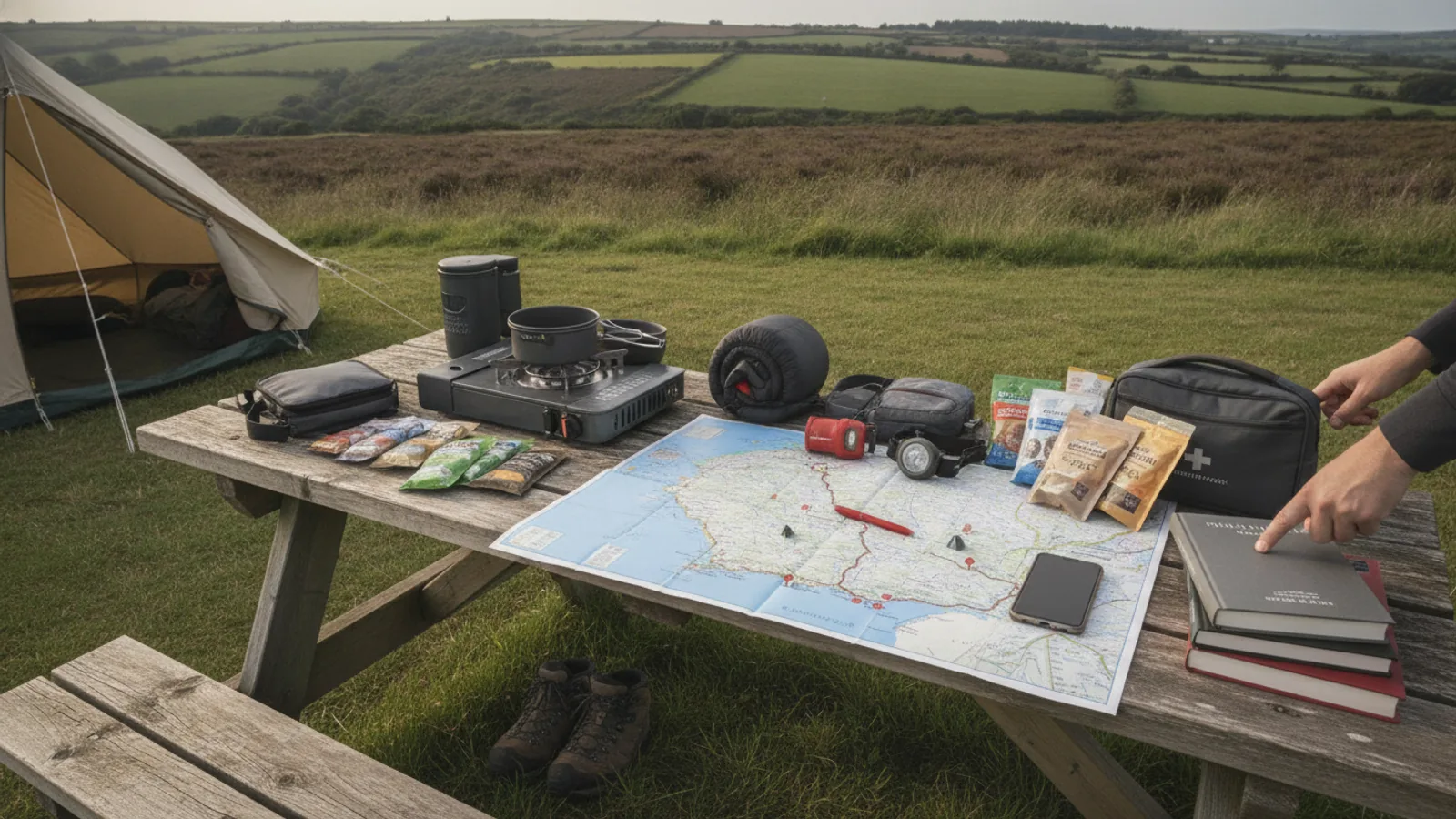
This guide explains how to approach how to plan a camping trip, including the preparation, practical steps, common mistakes, and final checks that help you finish with confidence.
Before You Start
Before you dive into the specifics of booking and packing, it's essential to define the basics of your trip. These initial decisions will shape all subsequent planning steps.
Step-by-Step Instructions
Quick Reference
Common Problems When You Plan a Camping Trip
Even with careful planning, sometimes things don't go exactly as expected when you plan a camping trip. Knowing common issues and how to address them can save your adventure from turning into a disaster.
Problem: Over-packing or Under-packing
Solution: Over-packing makes hauling gear cumbersome, especially for backpacking. Under-packing means forgetting essentials. The key is your detailed packing list. Cross-check everything, and for big items, consider if you *truly* need them. For car camping, extra comfort items are fine, but for backpacking, every ounce counts. Do a practice pack and weigh your bag if hiking. After a trip, review your list and note what you used and what you didn't.
Problem: Unpredictable Weather
Solution: Weather forecasts can change quickly, especially in mountainous or coastal areas. The best defense is preparation. Pack layers of clothing (synthetic or wool, not cotton), including warm options even for summer nights. Always have rain gear (jacket, pants, waterproof cover for your pack, and a tarp for your tent). Check the forecast multiple times leading up to your trip, and be ready to adapt or even reschedule if severe weather is predicted.
Problem: Campsite Booking Issues
Solution: Arriving at a booked campsite only to find no record of your reservation, or realizing you booked the wrong date, is frustrating. Always print or save a digital copy of your reservation confirmation. Double-check dates and site numbers. If there's an issue, politely speak with the campground host or ranger; they might be able to help you find an alternative site or direct you to nearby options. Having a backup plan (another campground in the area) can also reduce stress.
Problem: Wildlife Encounters
Solution: Wildlife is part of the camping experience, but sometimes encounters can be problematic. Store all food, trash, and scented items (like toothpaste) in bear-resistant containers, a locked car, or suspended from a tree away from your tent. Never feed wildlife. Make noise while hiking to avoid surprising animals. If you encounter a large animal like a bear, make yourself look big, make noise, and slowly back away. Know and follow specific park guidelines for wildlife safety.
Problem: Equipment Failure
Solution: A broken tent pole, a stove that won't light, or a leaky air mattress can dampen spirits. Before your trip, inspect all your gear for wear and tear. Test your stove, lantern, and headlamps. Pack a basic repair kit: duct tape, cordage, a multi-tool, and tent repair patches. Knowing how to make minor field repairs can often save the day.
Advanced Tips for How To Plan A Camping Trip
Once you've mastered the basics of how to plan a camping trip, these advanced tips can help you enhance your experience, minimize your impact, and make your adventures even more rewarding.
Embrace Leave No Trace Principles
Advanced campers understand the importance of protecting the natural environment. The "Leave No Trace" principles are a set of outdoor ethics promoting conservation in the outdoors. These include: planning ahead and preparing; traveling and camping on durable surfaces; disposing of waste properly; leaving what you find; minimizing campfire impacts; respecting wildlife; and being considerate of other visitors. Incorporating these into your planning and actions ensures future generations can enjoy the same natural beauty.
Master Camp Cooking
Move beyond basic hot dogs and instant noodles. Advanced camp cooking involves thoughtful meal planning, efficient preparation, and often, more creative recipes. Consider Dutch oven cooking for roasts or baked goods, or learn to cook over an open fire using a grill grate. Pre-marinating meats, pre-mixing dry ingredients for pancakes or muffins, and using vacuum-sealed bags for fresh produce can elevate your camp meals. Experiment with dehydrated or freeze-dried meals that are lightweight but still delicious for backpacking.
Practice Navigational Skills
While smartphone GPS is convenient, it's not foolproof. Advanced campers learn to use a traditional map and compass. Practice reading topographic maps, understanding contour lines, and taking bearings. This skill is invaluable when your phone battery dies, or you're in an area without cell service. Consider carrying a dedicated GPS device or satellite messenger for emergencies, especially in remote backcountry areas.
Invest in Multi-Season or Specialty Gear
As you gain experience, you might want to camp in different conditions. Investing in a 3-season or 4-season tent will allow you to camp comfortably in colder weather or stronger winds. Lightweight backpacking gear can open up new opportunities for multi-day treks. Consider a quality water filter that can handle various water sources, or a solar charger for electronics. Quality gear, while an investment, often provides better performance, durability, and comfort.
Explore Dispersed Camping
For those seeking greater solitude and a more rugged experience, dispersed camping (also known as primitive camping) on public lands (like National Forests or BLM land) can be an excellent option. This type of camping often means no amenities like restrooms or water, requiring a higher level of self-sufficiency. You'll need to know local regulations, practice strict Leave No Trace principles, and be prepared to pack out all your waste. Research the specific rules for your chosen area beforehand.
How To Plan A Camping Trip FAQ
Q: How far in advance should I book a campsite?
A: For popular national and state parks, especially during peak season (summer, holidays, weekends), you should aim to book 6 to 12 months in advance. Many reservation systems open bookings on a rolling basis. Less popular campgrounds or off-season trips might only require a few weeks or even days' notice, but it's always safer to book as soon as your plans are firm.
Q: What's the most important piece of gear to have?
A: While many items are crucial, a reliable shelter (tent) and an appropriate sleeping bag for the expected temperatures are arguably the most important. These protect you from the elements and ensure you get proper rest, which is fundamental for enjoying your trip safely and comfortably. A good first-aid kit is also non-negotiable for safety.
Q: Can I really camp if I've never done it before?
A: Absolutely! Everyone starts somewhere. Begin with a short, easy trip to a developed campground with amenities. Choose a location close to home, and pick a weekend with good weather. Borrow gear if you can, and bring experienced friends if possible. Practice setting up your tent and using your stove in your backyard first. This guide is designed to help first-timers plan successfully.
Q: How much food and water should I bring?
A: For water, plan on at least 1 gallon (about 3.8 liters) per person per day for drinking, cooking, and basic hygiene. This can vary based on activity level and weather, so err on the side of more. For food, plan three meals a day plus snacks. Focus on calorie-dense, non-perishable items that are easy to prepare. If you have access to a cooler, you can bring some fresh items.
Q: What should I do if I encounter wildlife?
A: The best approach is to avoid encounters by storing food properly and making noise on trails. If you see wildlife, observe from a safe distance. Never approach or feed animals. If an animal seems aggressive, make yourself look as large as possible, make noise, and slowly back away. Carry bear spray in areas with large predators and know how to use it. Always research wildlife safety for your specific camping location.
Final Checklist for How To Plan A Camping Trip
Use this final checklist to ensure you've covered all the essential steps before heading out on your camping adventure.
By diligently following this guide and checklist, you'll be well-prepared to plan a camping trip that's both safe and incredibly rewarding.